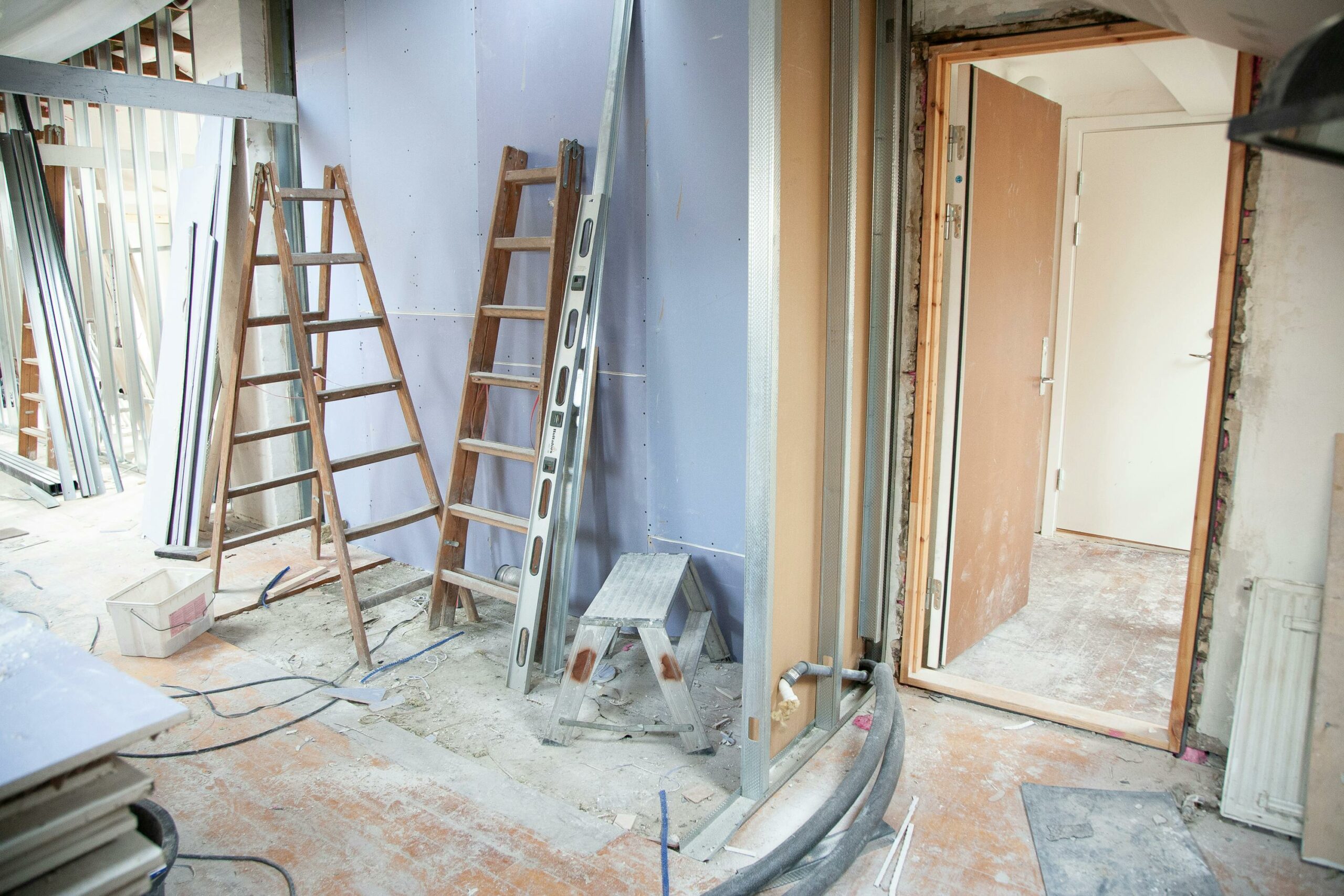
Starting a construction project, whether it's a new build , renovation, or simple refurbishment, can quickly turn into a journey fraught with pitfalls. Missed deadlines, budget overruns, poor workmanship, disputes... The mistakes are numerous and sometimes costly. However, with good preparation and constant vigilance, most can be avoided. Here is an overview of common mistakes to avoid during a construction project, to ensure that your project runs smoothly.
-
Failing to define your project clearly in advance
One of the most common mistakes is to start without clearly defining your needs, budget, and priorities. This can lead to changes during construction, which are often costly.
To do to limit these changes:
- Establish precise specifications,
- Take the time to consider how you will use the property (primary residence, rental, resale, etc.).
- Anticipate future needs (additional rooms, accessibility, etc.).
- Set a realistic budget with a margin for unforeseen expenses (10 to 15%).
-
Neglecting administrative procedures
Missing permits, non-compliant plans, or failure to comply with urban planning regulations can result in administrative penalties or the suspension of construction work.
What to do to avoid penalties:
- Check whether a building permit or prior declaration is required.
- Find out about the PLU (Local Urban Development Plan),
- Respect the rules of shared ownership and neighborliness,
- Anticipate processing times at city hall.
-
Choosing companies based solely on price
The lowest price is not always the best choice. It may hide poor quality work, a lack of experience, or questionable practices.
What to do to find the best craftsmen:
- Compare several detailed quotes,
- Verify references, insurance (ten-year, professional liability) and the financial health of companies.
- Give preference to qualified and certified tradespeople (RGE for energy-related work),
- Sign a clear contract, with deadlines, late penalties, and payment terms.
-
Underestimating the coordination of work
A construction site often involves several different trades. Poor coordination can lead to delays, mistakes, or conflicts.
To maximize coordination between different teams:
- Appoint a project manager or site supervisor if the project is complex.
- Establish a realistic schedule with a clear order of operations.
- Hold regular follow-up meetings,
- Allow for buffer times between certain critical stages.
-
Don't anticipate the unexpected
No construction project ever goes exactly as planned. Missing materials, bad weather, structural problems... you have to be prepared for anything.
Things to do to deal with unexpected events:
- Incorporate a financial and time margin into the schedule,
- Respond quickly to unexpected events with solutions validated by professionals.
- Maintain fluid communication between all stakeholders.
-
Forget about technical or regulatory aspects
Some errors can have serious consequences: fragile structure, poor insulation, electrical non-compliance, etc.
To do so as not to omit any technical aspects:
- Call on certified professionals,
- Verify the compliance of installations (electrical, thermal, sanitary standards, etc.),
- Do not neglect preliminary technical studies: soil, humidity, load-bearing capacity, etc.
-
Modify the project midway without analysis
Changing your mind during construction can lead to delays, additional costs, and even technical complications.
To do in order to avoid changes during construction:
- Confirm all choices (materials, plans, finishes) before the start of construction.
- If a change is necessary, assess its overall impact (cost, timeframe, feasibility).
- Document changes in writing and in contract amendments.
-
Not checking on the construction site regularly
Many problems arise from a lack of monitoring. If progress is not checked regularly, defects can go unnoticed.
To do in order to best monitor the project:
- Conduct frequent visits, using a checklist.
- Take photos at each stage,
- Require progress reports,
- Don't hesitate to ask questions or raise concerns.
-
Paying too early or in a single payment
Paying for the entire project in advance is risky. In the event of poor workmanship or abandonment, it will be difficult to seek recourse.
To do:
- Stagger payments according to progress,
- Never pay more than what is earned,
- Retain a guarantee deposit (5% until the reservations are lifted).
-
Neglecting acceptance and warranties
The acceptance phase of the work is crucial: it marks the starting point of the legal warranties.
What to do to avoid missing a defect:
- Conduct a thorough acceptance inspection, with signed minutes.
- Express reservations in writing if necessary,
- Know your warranties: perfect completion (1 year), proper functioning (2 years), ten-year (10 years).
Conclusion: a well-prepared project is a successful project.
The success of a construction project depends above all on rigorous preparation, careful monitoring, and constant communication with those involved. By avoiding these common mistakes, you maximize your chances of seeing your project come to fruition without stress or unpleasant surprises. A construction project is never without its unexpected events, but with method and vigilance, it can become a great success.